Archives

The Parliament Papers #2 : No dark clouds of the Monsoon yet, but a thunderstorm brews…

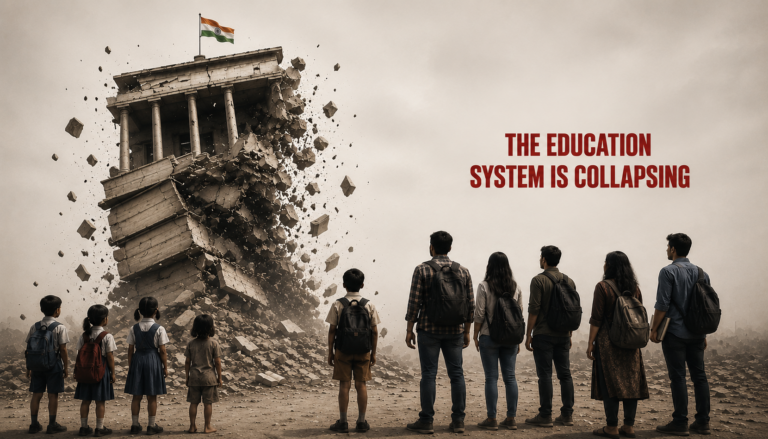
Concrete solutions for the overhauling of the Education System have been suggested, its time for some action.

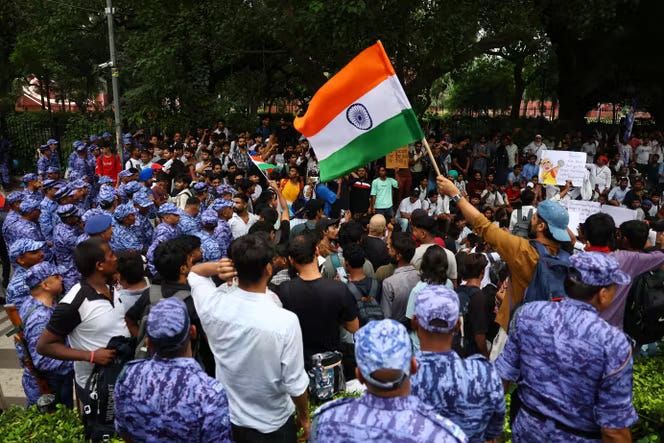
PM Narendra Modi in his customary opening statement on the first day of the Monsoon Session, said, Whether it is the monsoon or the Monsoon Session, when both are proactive, they become highly productive and contribute to the welfare of the nation.” Drone shots and non-mainstream media videos of the Jantar Mantar Protest march, where our youth were brutally assaulted with lathis and tear gas, show that dark clouds are indeed gathering for the regime. Thousands of young protestors, mostly organic in nature, joined in to demand the resignation of Union Minister Dharmendra Pradhan and a complete overhaul of the education system. Both in love and hate, there is no logic. In a Democracy, people are supposed to be rational actors, but more often than not, they are just not. This outpouring against the government may be the first tangible sign that there is no more fear and Democracy is alive. But there is a deeper political connotation attached to it.

A poison of division and hate has been injected into the minds of ordinary people. They have tended to align with the worst of the institutional plunder, simply for their own survival. And those in power have taken complete advantage of this poison. Now an antidote to this poison is finally emerging. A thunderstorm with lakhs of footsteps marching towards the new Parliament is brewing. Democracy is awake. Thriving and marching on the streets.

In the Parliament, the Leader of Opposition in the Rajya Sabha, Mallikarjun Kharge, emphatically raised the issue of the lathicharge and barbarity of the government against our own children. While many gates of the Parliament were hurriedly closed and the internet in the area was shut down, ordinary youth from different walks of life walked on. Sonam Wangchuk was in the hospital, continued fasting. But Abhijit Dipke was missing in action. Saurav Das and Ashutosh Ranka were doing inconclusive photops with Health Minister J P Nadda, and one more spokie, Vijeta Dahiya, was having a burger at a metro station, only to be caught and questioned by an angry protester. The CJP leadership virtually did not participate in the protest march they called. The youth was left to fend off the police batons and fight for their lives. It is only late at night that Dipke reappeared, only to announce that there would be no more march to Parliament on 21st July. I doubt that will happen.

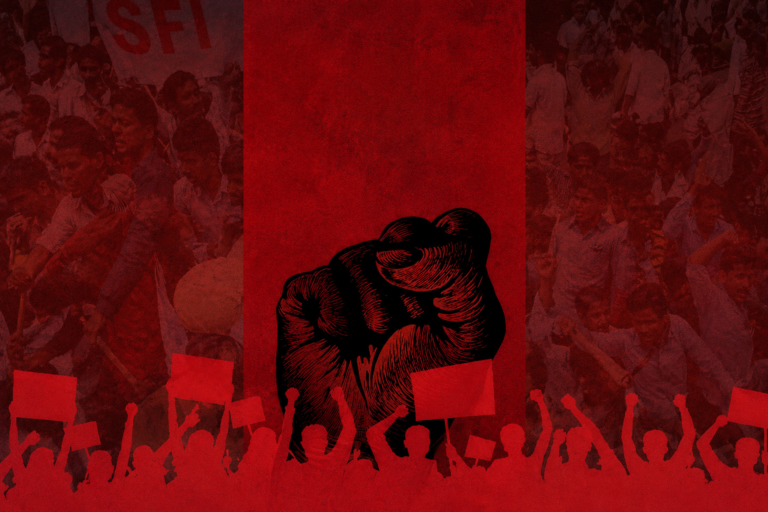
The unchoreographed flux of the young and restless is now the hope of this movement. Nobody is denying that the initial protest was purely orchestrated by the RSS-AAP ecosystem, with the Left playing a supportive cast. CJP is and shall remain an RSS project to rebrand AAP in order to discredit the Opposition. This was again reinforced by their cowardly absence in the protest march. But sections of the protest have definitely gone beyond labels. The young have genuine anger. They are becoming fearless. They are demanding comprehensive structural reforms in the education system. A complete overhaul, as I mentioned in my previous post.

Leader of the Opposition, Rahul Gandhi in his “Chhatron Ki Goonj” rally in Dehradun, has come out with a 3-point charter to take this forward. A glimpse of what the Opposition, particularly the Congress party, actually envisages.

First, India needs a 21st-century testing system. Student-centric, with flexible dates. Digitally secured question bank and randomised questions for exam papers.


High-stakes examinations should move to secure digital platforms with large encrypted question banks, AI-enabled randomisation, and flexible testing windows, reducing the value of leaked papers almost to zero. Countries such as Denmark, Estonia and Australia have already adopted computer-based assessments, while OECD research highlights that adaptive digital testing can improve measurement, reduce testing time and enhance security. The objective must be simple: every student faces a different but equivalent paper, making organised paper leak syndicates obsolete rather than merely illegal.

Second, an independent and accountable education system, free of any political influence, merit-driven. More public spending on education, at least 6 per cent of the GDP and strict convictions for the paper leak mafia.


India needs an autonomous National Examination and Assessment Authority, accountable to Parliament but free from political interference in appointments, administration and evaluation. The National Education Policy itself reiterates the long-standing commitment to raise public expenditure on education to 6 per cent of GDP; instead, we have reduced spending to below 3 per cent now. Alongside greater investment, paper leak offences must be met with swift investigation, time-bound trials, and exemplary punishment. Unless integrity is institutionalised, public trust in merit will continue to erode.

Third, protection for students. Immediate re-exam in case of irregularities and compensation for students.

No student should become collateral damage because the system failed. Whenever an examination is compromised, the law must guarantee immediate re-examination within a fixed timeframe, reimbursement of travel and accommodation costs, and compensation for demonstrable financial or academic loss. International examination boards have established protocols to protect candidates whenever irregularities arise, ensuring that students are not punished for institutional failures. India must adopt the same principle. The burden of paper leaks should fall on those responsible, not on millions of honest students whose futures are placed in uncertainty through no fault of their own.

There are solutions to the problems, but is the Parliament listening?

The Parliament Papers #3 : Will there be a Pareeksha Pe Charcha now?

Rahul Gandhi has taken the fight for students now to the PM’s door, it is time for the Parliament to discuss Education Reforms, but this government won’t comply.

It is 11:08 p.m. on 21st July as I write down my thoughts on what may happen in Parliament tomorrow.

It has been an eventful day. The Leader of Opposition in the Rajya Sabha, Mallikarjun Kharge, once again batted for the students and laid down a five point charter of demands before the government. The Leader of Opposition in the Lok Sabha, Rahul Gandhi, met the Lok Sabha Speaker along with several Opposition MPs and demanded a discussion with the government.

But when the government did not relent on holding a discussion on why the protesters were beaten, on the state of the education system, and on why more than 150 paper leaks have taken place over the last ten years or so, the Congress Party, the principal Opposition party, resorted to a flash protest. Without informing many of its own MPs, and completely duping the mainstream media of the story, Congress leaders marched to the vicinity of the Prime Minister’s residence at 7 Lok Kalyan Marg and sat on a dharna. Later, prominent leaders of other Opposition parties, including Akhilesh Yadav and Supriya Sule, joined the protest.

Now this is becoming serious.

Serious because the youth have done their duty. Every second Instagram video that you watch; I know, the algorithm plays a role – but it tells the story of someone who attended Monday’s protest and was beaten up. Fifteen year old girls. Seventeen year old students. Someone who has just appeared for the NEET examination. Someone preparing for a police recruitment examination. They are all getting beaten up.

I also saw a very interesting tweet from the government side. Someone wrote that if Instagram were banned for two days, this protest would collapse. This shows cowardice and frustration.

I have been watching politics for almost thirty years now. My political consciousness began to develop in the 1990s, and it truly germinated in 2004, when political change took place. I have seen how governments change. I know what it looks like when a government begins to lose its grip. I know the signs when the fall starts drawing near.

Yes, there is still time left in the life of this Lok Sabha. There are still almost two and a half years to go. Half the term is over. But half a term is also a very, very long time in Indian politics.

In this context, it would be premature to conclude that this regime will not return to power in 2029. It continues to enjoy significant popular support. But that support has undoubtedly weakened after Monday’s protest, especially among the youth and Gen Z.

Images are powerful. The images of Rahul Gandhi being dragged, manhandled, and emerging with a bloodied nose will haunt this government and the BJP for years to come. Because he is not just Rahul Gandhi. He is the Leader of Opposition in the Lok Sabha.

But what have we achieved through this? What has the government achieved?

The government could simply have agreed, from day one, to a discussion on paper leaks and the urgent need to overhaul India’s education system.

Let us assume that today it finally agrees. Let us assume the government takes two steps back after what happened yesterday, after the protest near the Prime Minister’s residence. Let us assume there is a statement from the Education Minister. In fact, the minister has already indicated that he is open to a discussion.

But I do not think that is the solution.

The Opposition should not relent. It should not settle for the minister merely making a statement. Moral and political responsibility demands that Dharmendra Pradhan resign. If anyone is to make a statement, it should be no less than the Prime Minister or the Home Minister.

But more important than a statement is a solution.

Even though today’s piece is more of a journal entry and less analytical than the previous two essays, I want to once again focus on solutions—a comprehensive roadmap to transform India’s education system.

The first reform is one that I have already discussed earlier: we need a complete overhaul of the way examinations are conducted.

In the first part of this series, I had written about the National Testing Agency (NTA) and the National Recruitment Agency (NRA). Both institutions are, for all practical purposes, dysfunctional. There is very little professionalism. These agencies increasingly depend on private contractors to conduct examinations, and that entire ecosystem is fundamentally flawed.

What we need instead is to strengthen these institutions with professionals. This government frequently speaks about lateral entry. Why not introduce lateral entry into these agencies? Why not recruit professionals with expertise in assessment, cybersecurity, data science, logistics and examination management? Why not build genuine institutional capacity instead of outsourcing critical public functions?

Technology must become the backbone of our examination system.

If the IITs and IIMs can conduct secure examinations, if CAT, CLAT and the Joint Entrance Examination (JEE) can be conducted without recurring paper leaks, then why not NEET?

The BJP’s defence has often been that paper leaks existed earlier as well, except that earlier papers were sold for thousands whereas today they are sold for lakhs.

That is hardly a defence.

You have been in government for twelve years. You had every opportunity to change the system. Instead, you merely replaced one broken system with another. I do not recall medical entrance examinations witnessing this scale of organised paper leak before 2014.

What has emerged today is an entire chain of intermediaries—a paper leak mafia—which thrives because agencies such as the NTA increasingly depend upon private contractors. The criteria for awarding these contracts remain opaque, the standards appear weak, and allegations of corruption continue to surface.

Why are we not cracking down on this ecosystem?

Why don’t we establish an independent, autonomous national examination authority to conduct all major recruitment and entrance examinations?

The UPSC provides a useful model. It enjoys a significant degree of institutional autonomy and has developed credibility over decades. We need a similar institution, professionally staffed, technologically equipped, supported through lateral entry wherever required, and backed by strong state capacity.

Why are we not using technology to randomise question papers for every candidate?

The Prime Minister speaks repeatedly about Digital India. Yet examination papers are still physically transported across the country, sometimes even with the assistance of the Indian Air Force.

It is difficult to justify such a system in the twenty first century.

Very few countries continue to rely upon such methods. India should seriously study international best practices from countries such as Estonia, Singapore, the United Kingdom and France, where technology, encryption, question randomisation and institutional safeguards together minimise the possibility of large scale paper leaks.

Above all, there has to be accountability.

The second reform that is urgently needed is substantially higher public investment in education.

Unfortunately, this demand has become almost clichéd. Every political party writes it into its manifesto. Members of Parliament routinely speak about it. Yet very little changes on the ground.

Public expenditure on education has fallen from roughly 3.5 per cent of GDP to around 2.5 per cent over the past decade. India must move decisively towards the long-standing national commitment of spending at least 6 per cent of GDP on education.

That will require building state capacity, not shrinking it.

Nearly 94,000 schools have reportedly been closed across the country.

Why?

Who is accountable for that decision?

More than one lakh government schools continue to function with only a single teacher.

Why has this happened?

When the UPA demitted office, India had over twenty lakh government schools. Today that number has reduced substantially. Why are state governments increasingly closing schools? Why has public investment not kept pace with the growing needs of students?

Corporate CSR funds are often used to repaint classrooms, repair school buildings or improve basic infrastructure. Those initiatives are welcome, but they are no substitute for qualified teachers, stronger institutions and better learning outcomes.

The quality of education cannot improve through cosmetic changes alone.

All of this requires serious national debate and substantive policy deliberation.

Today, I have only touched upon two broad areas. The first concerns examination reforms and higher education governance. The second concerns public investment and the crisis in primary education.

These are merely starting points. But if India is serious about rebuilding trust in its education system, this is precisely where the debate must begin.

The Parliament Papers #4: A Revolution is taking shape. But Why?

Nationwide organisation of youth can be a catalyst for meaninful change

They say India is a land of contradictions. When they love a leader, they worship him like a God. When they hate the leader, they despise him with the same intensity. As a millennial, the India Against Corruption (IAC) Movement and Nirbhaya are the two watershed protests that I observed from very close quarters. I used to go to Jantar Mantar and India Gate for both the movements. Never protested because my ideas, ideals and ideology were different from those who led the IAC movement—but attended most of it, keenly observing how the protestors react, how the police behave with them and how these protests are ‘managed’. Nirbhaya was, by and large, a genuine and spontaneous outburst of emotions. Still, IAC was, and later proved, completely orchestrated by the RSS, with a devious motive to plant a fresh set of anarchic, non-ideological and opportunistic actors in the Indian polity such as Arvind Kejriwal, Kiran Bedi, Shazia Ilmi, Yogendra Yadav, Prashant Bhushan, Kumar Vishwas and the likes.

The present Cockroach Janata Party (CJP) movement started as a meme, but presented an opportunity to the RSS-puppeted AAP to rebrand itself after the massive debacle it suffered in Delhi and after 7 out of its 10 MPs left its parent organisation. Ask anybody on the streets today, and they will have nothing but disdain against Anna Hazare and Kejriwal, the two protagonists of the IAC movement. None of the scams they alleged were proven. No politician is behind bars. Not even a senior government official is behind bars, and even though the Congress-UPA government sat across the table with them to discuss their “Jan Lokpal” Bill, and passed it in 2013, the Act has been lying in the dustbin of history for 12 years, and nobody cares. Kejriwal ruled Delhi for almost 12 years, but did not pass their version of the Jan Lokpal Bill.


This flashback was necessary to contrast what is happening today. The CJP movement also has two protagonists – Sonam Wangchuk and Abhijit Dipke. Wangchuk is in his 26th day of hunger strike, now in a private hospital. He has strategically climbed down on his demand for Education Minister Dharmendra Pradhan’s resignation. Instead of resignation, his latest letter says “consideration of the resignation of the Honourable Education Minister”. But here is a surprise. This protest has gone beyond the CJP or AAP. The government thought that on 20th July, some protestors would gather and they would be able to either use it as a safety valve to release some steam (which I mentioned in my edition #1) or they may be able to nip the protestors in the bud and maintain their hegemony. Neither of these happened.

From Mumbai to Mizoram, from Surat to Patna, organic protests led by Gen Z have erupted. More and more videos of innovative protests, processions, arrests, lathicharge, and water canon use have emerged across India. As a millennial, I owe an apology to Gen Z, because I underestimated their game. From quirky placards to artwork, from cuss words to skits, from shedding blood on the streets to openly distancing themselves from their BJP-supporting parents — they are doing everything possible. Some are making sure protest sites are not littered. Some are taking care of strays. Some are seen holding hands with older people to march along in unison. Even if it is for likes and followers on Instagram, they are resisting and resonating. Resistance matters against tyrannical regimes, and July 20th could well be a turning point for an organic revolution. The RSS-BJP ecosystem is using the same tactics as they used during the Kisan Andolan (Farmers’ agitation), where seemingly neutral celebrities were used to post balanced pro-government stuff. In the words of Modi Ji, we now await a full-blown 3P campaign from the BJP ecosystem – propaganda, paid PR and punitive actions. However, no one is talking about the other P.

P for Parliament. I had presented some solutions to reform our education system in the previous editions. Let us first revisit some more facts about the education system, especially in the context of employment numbers.

According to the latest Periodic Labour Force Survey, youth unemployment is at a staggering 29%. The figure of 29% represents unemployment among young graduates. In simple terms, nearly three out of every ten young Indians with a college degree who are actively seeking employment remain without a job. That stark contrast with the overall unemployment rate reveals a deeper crisis. In today’s India, higher education is no longer a reliable pathway to employment. For many young people, earning a degree has ceased to be a safeguard against unemployment and has instead become a marker of unfulfilled aspirations.


According to the State of Working India 2026 report, India’s higher education system has been producing graduates far faster than the economy has been generating suitable employment. Between 2004 and 2023, around 5 million young people graduated annually, but employment opportunities emerged for only about 2.8 million of them—even more concerning, less than 2 million secured regular salaried positions. The result is a growing backlog of educated young people whose aspirations remain unrealised, with each passing year adding to an expanding pool of qualified but underemployed or unemployed talent.

The coaching economy has expanded into one of the largest segments of India’s education ecosystem. Valued at an estimated ₹54,000–58,000 crore, the sector is growing by 15–20% annually and now serves nearly 7.1 crore students. Its explosive growth is not accidental. It reflects an education system in which competitive examinations have become the principal gateway to opportunity, while mainstream schooling increasingly fails to prepare students to succeed in them.

This burden is increasingly being shifted onto families. As public investment struggles to keep pace with educational needs, households are spending ever larger sums on private education. Data from the Ministry of Statistics show that household expenditure on education rose from ₹1.8 lakh crore in FY12 to ₹8.43 lakh crore in FY24—an increase of nearly 4.6 times.

The National Sample Survey’s Comprehensive Modular Survey on Education (2025) reinforces this trend. It estimates average annual household spending on school education at ₹22,024 per student, with private coaching accounting for about 40.7% of the total. In effect, coaching has evolved from a supplementary service into an essential expense, significantly increasing the financial burden on families.

The inequality is even more pronounced in rural India. The same survey found that 44.7% of rural households’ education spending goes towards coaching, compared with 35.3% in urban areas. Those with the fewest resources are compelled to devote the greatest share of their income to private tutoring. For millions of poorer families, coaching has become an attempt to compensate for unequal schooling, limited access to quality education, and the advantages that wealthier students already enjoy. What is presented as an avenue for merit has, in practice, become an additional financial burden on those least able to bear it.

It is not a secret that youth are still looking for stable government jobs instead of the private sector, even though government ones have moved towards contractualisation. The handful of sarkari jobs which are available use highly competitive examinations as an entry point. In this scenario, if one paper leaks every month, what would the young do? Obviously, stare at a bleak future.

This explains the revolution.

The Parliament Papers #5 : Do Fast Track Courts work?

PM’s announcement of Fast Track Courts to deal with paper leak cases is an inadequate, response, smacks of tokenism.

In a midnight close-up video, where he replaced his classic “Mitronnnn” to “Friendzzzz” ( perhaps, to address the justifibly enraged Gen Z! ), PM Modi spoke about getting a Bill in the Parliament to establish Fast Track Courts (FTCs) in the Parliament in the next few days. The Bill may receive Cabinet clearance today. Sonam Wangchuk ended his fast, minutes after this announcement. He also asked protesting students to go around the country and submit a report to the PM (sic).

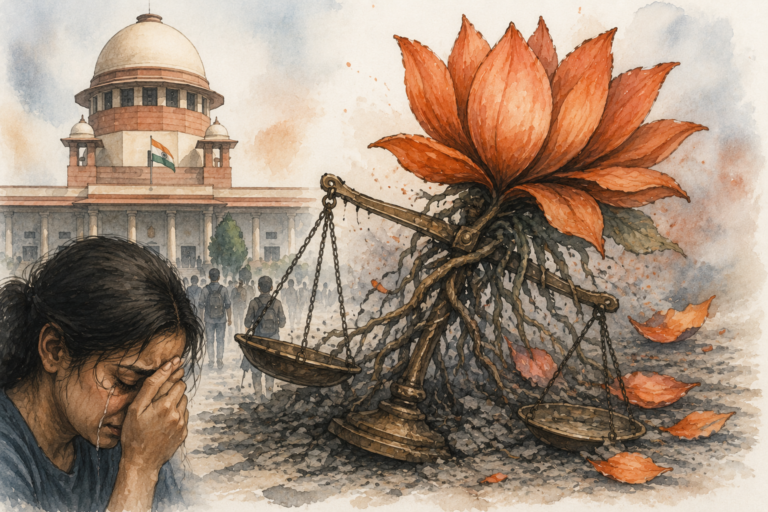
We already have a law against Paper Leak – The Public Examinations (Prevention Of Unfair Means) Act, 2024. So why do we need another one?

Also, Modi Govt’s CBI has already given a CLEAN CHIT to NEET-2024 Paper Leak mastermind, Sanjeev Mukhiya, saying there is no evidence for paper’s theft or distribution

Without meandering much, today, i shall only focus on whether the system of Fast Track Courts have actually worked in the country.

Fast Track Courts and the Illusion of Speed

India has been experimenting with Fast Track Courts for over two decades. The Government itself has acknowledged the central contradiction. In a reply before Parliament, the Ministry of Law and Justice admitted that no time frame has been prescribed for disposal of different categories of cases by courts. If a Fast Track Court has no legally enforceable timeline, in what sense is it fast? The very foundation of the model stands weakened.

Fast Track Courts were conceived as dedicated courts for categories of cases requiring urgent attention. The Eleventh Finance Commission recommended 1,734 such courts in 2000. The Fourteenth Finance Commission later recommended another 1,800 courts between 2015 and 2020 for heinous crimes and cases involving women, children, senior citizens and other vulnerable groups. Despite repeated announcements, India has never built the judicial capacity necessary to make these courts consistently fast.

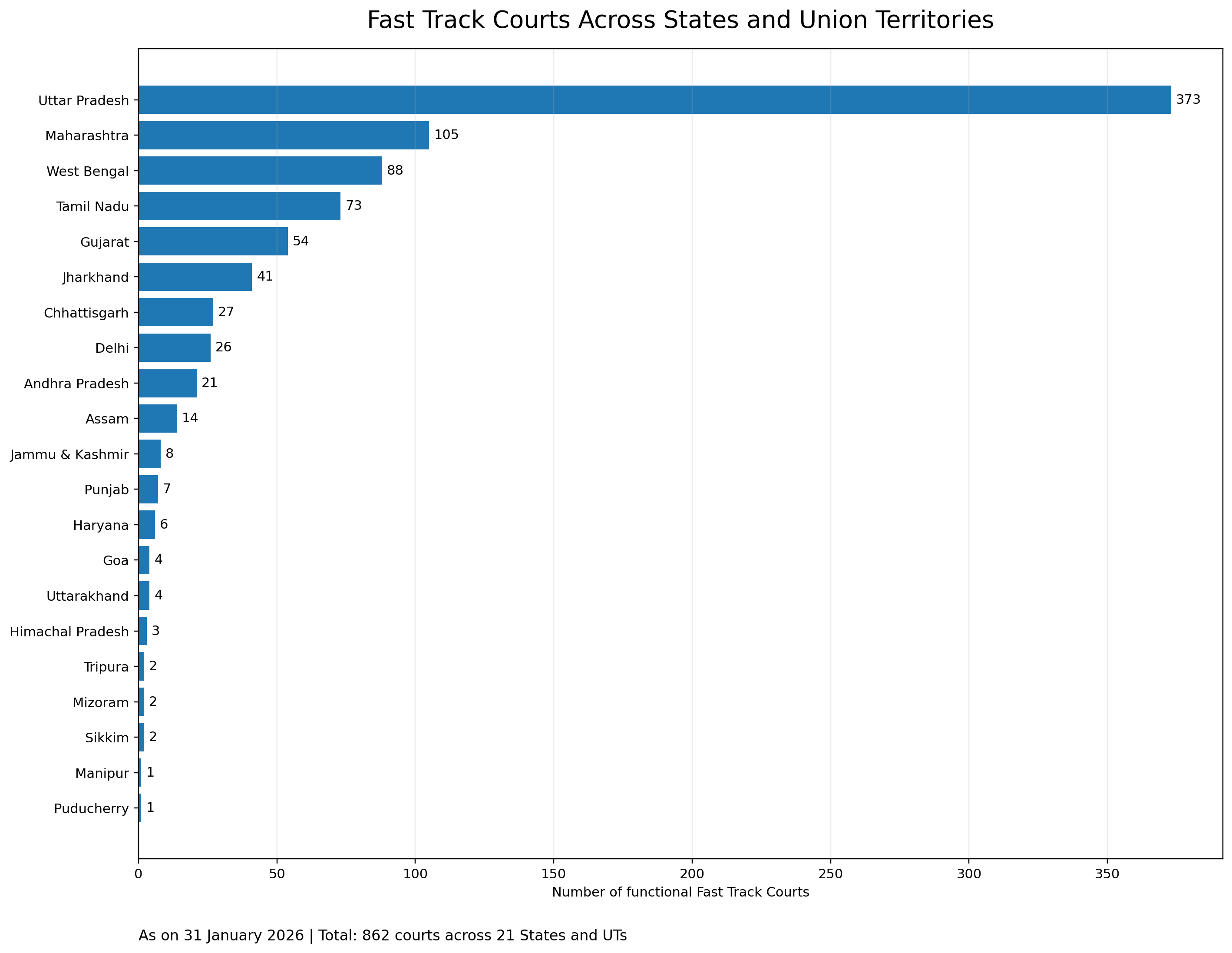
As of 31 January 2026, 862 regular Fast Track Courts were functioning across only 21 States and Union Territories. The distribution was strikingly uneven. Uttar Pradesh had 373, Maharashtra had 105 and West Bengal had 88, while several States and Union Territories had only a handful or none at all. The Government has also stated that no central assistance is currently provided to States for establishing these regular Fast Track Courts.

More significantly, the Centre admitted that it had conducted no recent independent third party evaluation of their functioning and had no proposal to expand them through a centrally sponsored scheme.

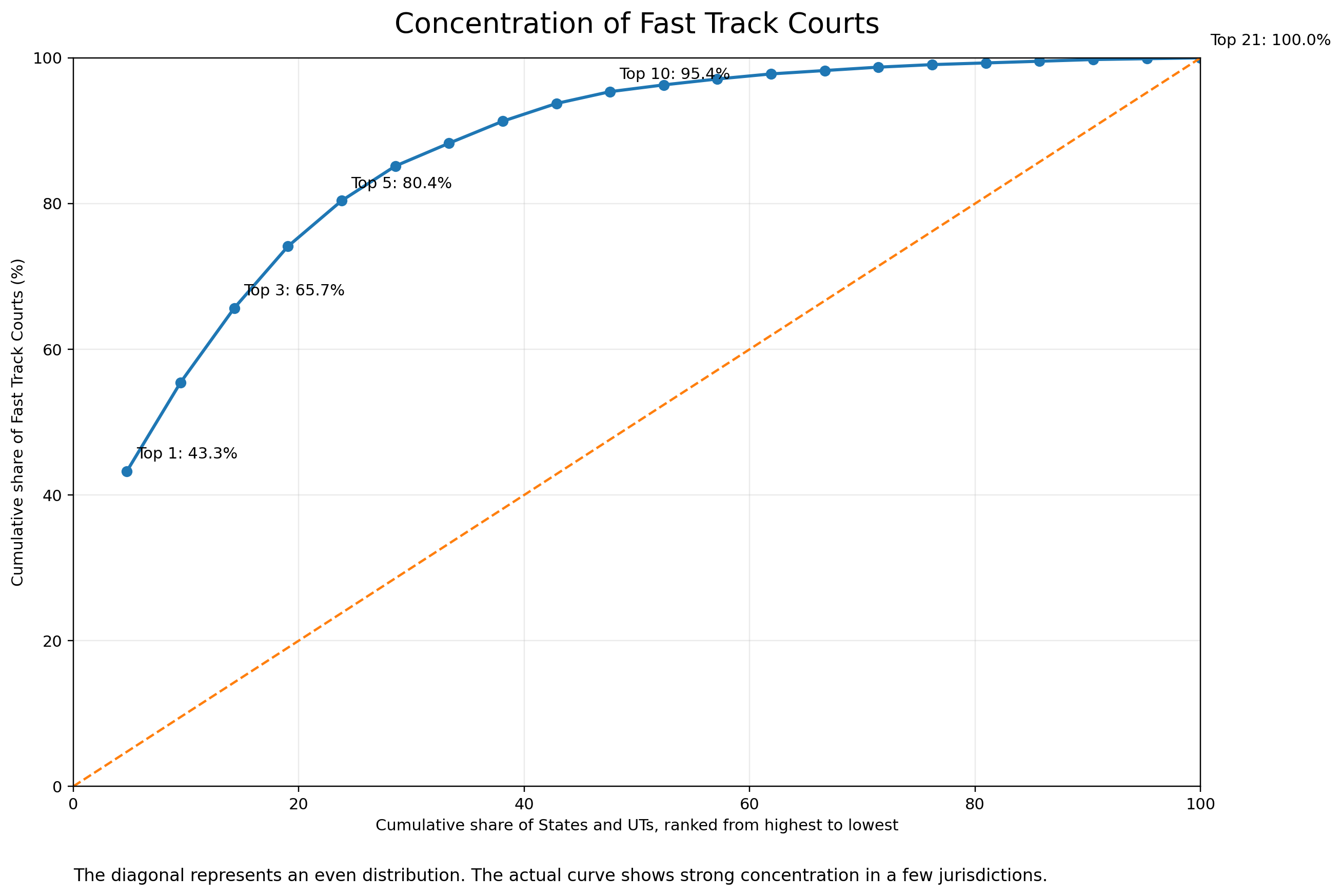
862 Fast Track Courts exist across only 21 States and UTs. Nearly half are concentrated in just three States, while several States and Union Territories have fewer than five courts.

The position of Fast Track Special Courts is only marginally more reassuring. These courts were launched in October 2019 for rape and POCSO cases. As of January 2026, 774 were functional, including 398 exclusive POCSO courts, against the scheme’s target of 790. The programme has already been extended twice, most recently until 31 March 2026. The repeated extensions themselves reveal that the original objective of quickly clearing pending cases has not been achieved.

Fast in name, ordinary in functioning

The fundamental weakness is built into the design. Fast Track Courts generally follow the same laws, evidentiary requirements and trial procedures as ordinary courts. They depend upon the same police officers, forensic laboratories, prosecutors, witnesses and administrative machinery. A separate courtroom does not create a separate justice system.

The Union Government has itself acknowledged the causes of delay. These include inadequate physical infrastructure, complexity of facts, poor quality of investigation, the nature of evidence, insufficient forensic support, witness related difficulties, legal representation and procedural requirements.

The source document provided for this article identifies the same institutional failures: judicial vacancies, inadequate infrastructure, delayed investigations, shortage of forensic support, frequent adjournments, repeated transfers of judges and the absence of specialised training. These conditions affect ordinary courts and Fast Track Courts alike. Changing the name on the courtroom door cannot remove them.

Most damagingly, the Government has acknowledged that no fixed time frame has been prescribed for courts to dispose of different categories of cases. Cases in Fast Track Special Courts may ideally be expected to conclude within a year, but that expectation is neither a statutory guarantee nor an enforceable deadline. A victim cannot demand a judgment within that period merely because the case has been assigned to a Fast Track Court.

A court without a prescribed time frame, dedicated manpower or measurable accountability is being asked to deliver speed through nomenclature alone.

BJP -ruled Delhi shows how the promise breaks down

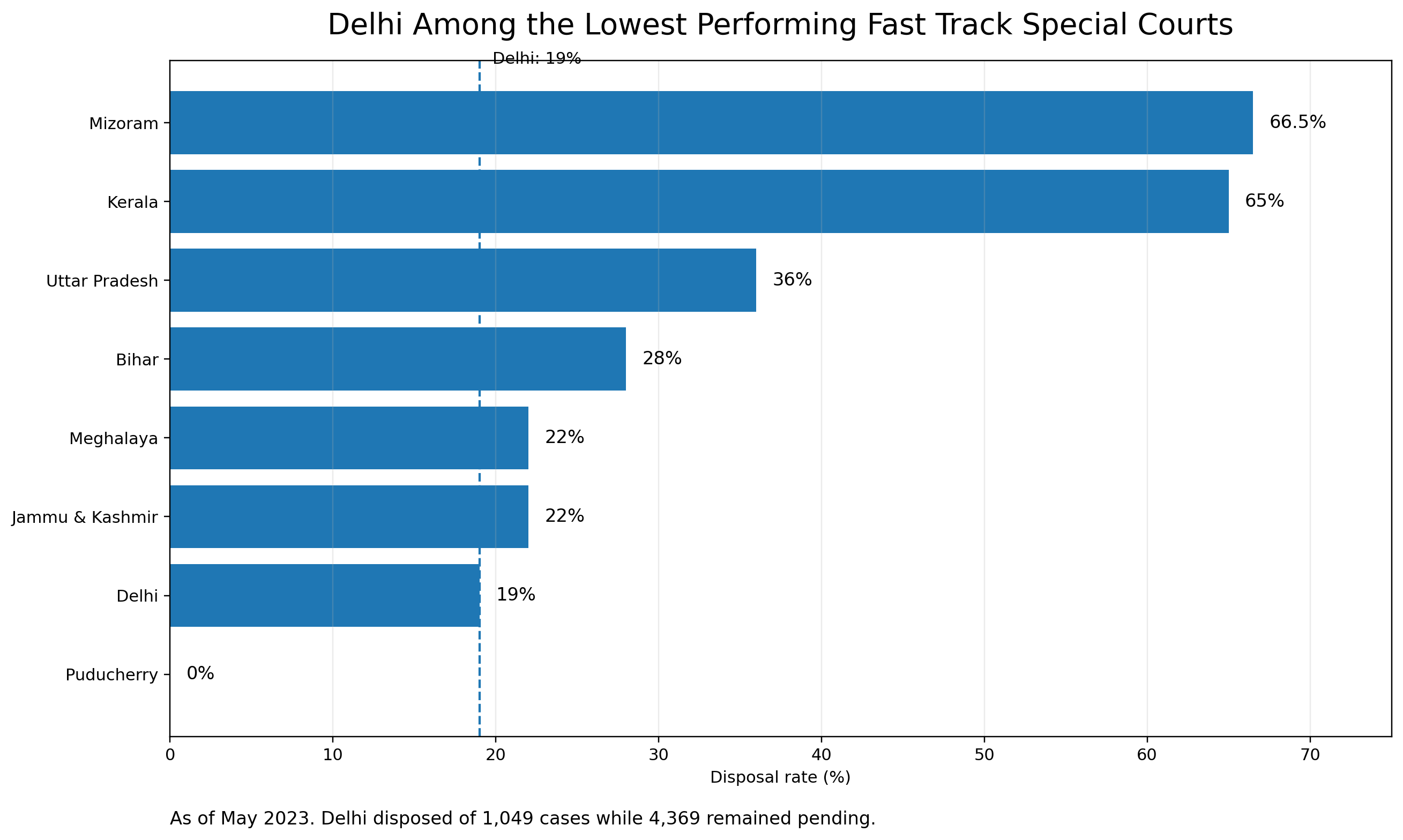
Delhi provides one of the clearest illustrations of this gap between announcement and performance. And we know that Delhi’s law and order is directly controlled by the Union Home Minister. According to an analysis by The Indian Express, Delhi’s 16 Fast Track Special Courts had a disposal rate of only 19 per cent as of May 2023, among the lowest in the country. They had cumulatively disposed of 1,049 cases while 4,369 remained pending. By comparison, Uttar Pradesh recorded a disposal rate of 36 per cent, Bihar 28 per cent, Mizoram 66.5 per cent and Kerala 65 per cent. (The Indian Express)

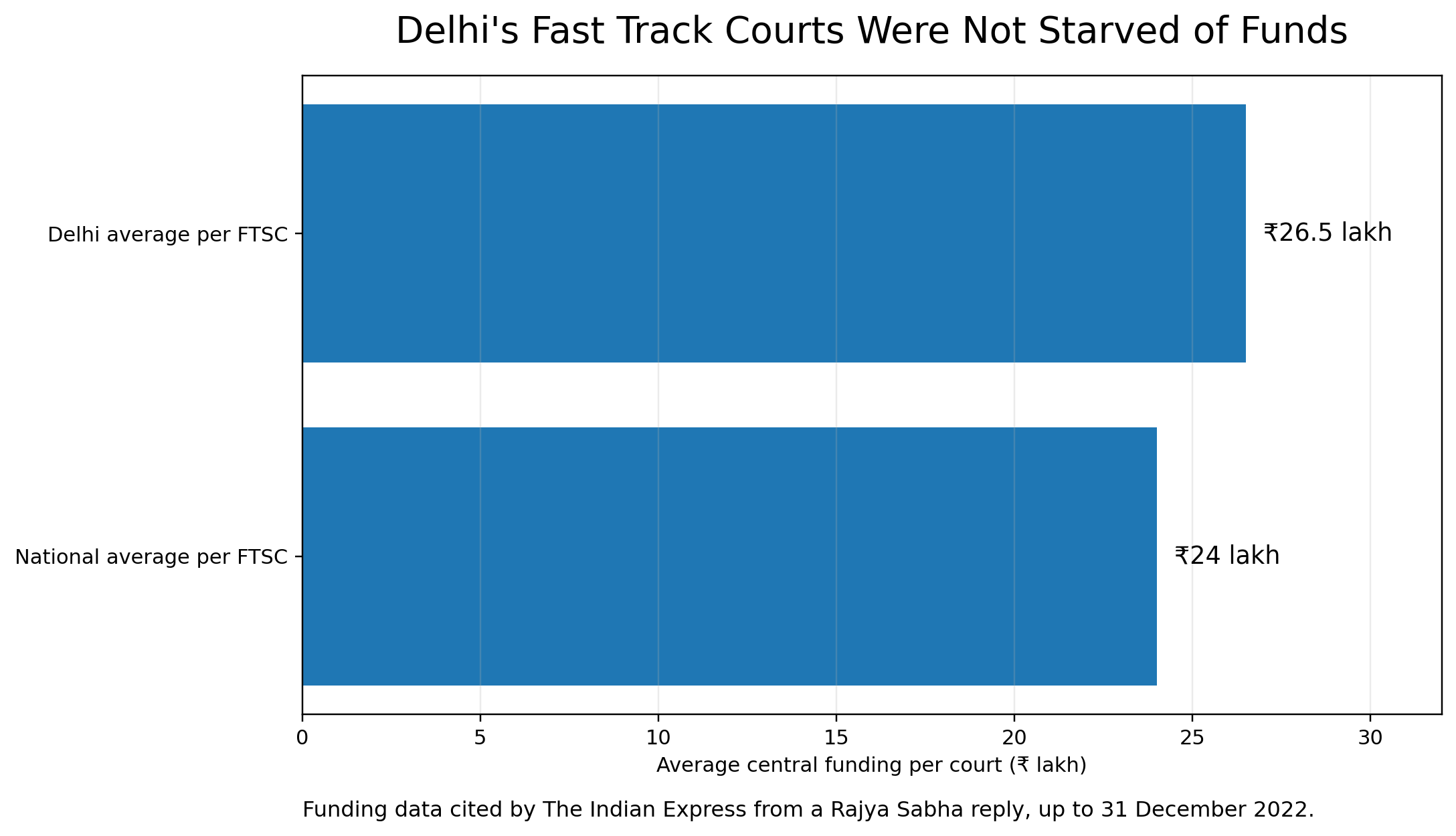
The contrast cannot be explained merely by the number of courts. Delhi had approximately one special court for every 12.5 lakh people. Uttar Pradesh had one for every 10 lakh people. Nor can the problem be reduced entirely to funding. Government data cited in the report showed that each special court nationally received an average of about ₹24 lakh, while a Delhi court received approximately ₹26.5 lakh. (The Indian Express)

The deeper problem was capacity. In 2022, subordinate courts across India had 5,850 vacancies against a sanctioned strength of 25,042 judges, a vacancy rate of approximately 23 per cent. Delhi’s subordinate judiciary had a vacancy rate of 22.9 per cent. Yet its disposal rate remained less than half the national average cited in the analysis. (The Indian Express)

Individual judges were carrying workloads that made the promise of speedy justice almost impossible. A POCSO judge in Delhi reportedly handled at least 250 to 300 cases, with the burden reaching as high as 750 cases in some courts. One judge described waiting for as long as eight years for a forensic report and having to repeatedly pursue investigating officers for supplementary chargesheets. (The Indian Express)

These are not minor administrative inconveniences. They determine whether evidence survives, whether witnesses remain available, whether victims retain the emotional strength to continue and whether a trial reaches a credible conclusion.

The national evidence is equally troubling

Historical data also challenges the assumption that placing a case in a Fast Track Court automatically shortens the trial. An analysis based on National Crime Records Bureau data for 2018 found that 78 per cent of approximately 28,000 trials completed by Fast Track Courts took more than one year. Around 42 per cent continued for more than three years, while 17 per cent took over five years. (The Leaflet)

The same analysis found sharp disparities between States. While a large share of cases in Haryana and Chhattisgarh were completed within a year, Fast Track Courts in most other States concluded fewer than 10 per cent of trials within that period. This unevenness exposes the weakness of a uniform announcement operating through unequal State capacity. (The Leaflet)

Government figures from 2022 provide further context. At that time, 712 Fast Track Special Courts had 1,86,753 pending cases. They had disposed of 81,462 cases during the reporting period up to February 2022. Uttar Pradesh alone had 73,962 pending cases before its 218 courts. Delhi’s 16 courts had 4,517 pending cases and had disposed of only 249 during the period reported.

The number of functioning regular Fast Track Courts has also fluctuated instead of expanding steadily. It rose from 676 in 2018 to 907 in 2020, fell to 898 in 2021 and stood at 915 in January 2022. By January 2026, the number was 862. The country therefore had fewer operational regular Fast Track Courts in 2026 than it had four years earlier.

This decline is important. It shows that the model is dependent upon the priorities, finances and administrative capacity of individual States. Central funding for regular Fast Track Courts was discontinued after March 2015, leaving States to establish and maintain them according to their own resources.

Disposal figures do not tell the whole story

Governments frequently cite the number of cases disposed of as evidence of success. That figure needs careful interpretation. Disposal can result from conviction, acquittal, withdrawal, procedural closure or the collapse of a prosecution due to weak evidence. A higher disposal rate does not necessarily establish that justice was swift, fair or effective.

A study cited by The Indian Express, based on 667 POCSO judgments, found that victims turned hostile in 67.5 per cent of cases. Judges also warned that relatively easier cases may be concluded first while complex cases remain pending because investigations are incomplete. Disposal statistics can therefore improve without resolving the hardest cases or delivering meaningful justice to victims. (The Indian Express)

A credible evaluation must examine how long each case took, the age of the pending cases, judicial vacancies, conviction outcomes, quality of investigation, reasons for acquittal, forensic delays, witness protection and the experience of victims. Yet the Government has admitted that no recent independent third party evaluation of regular Fast Track Courts has been undertaken.

The Government’s approach has focused heavily on counting institutions. As of June 2025, according to the source document, 725 Fast Track Special Courts, including 392 exclusive POCSO courts, had disposed of 3,34,213 cases since inception. The scheme carried an outlay of ₹1,952.23 crore, including a Central share of ₹1,207.24 crore, while ₹1,034.55 crore had been released to States and Union Territories. These numbers establish scale, but they do not establish timely justice.

Paper leaks require prevention, accountability and restitution

The crisis in public examinations cannot be resolved primarily through criminal trials. By the time a paper leak case reaches court, the damage has already occurred. Students have lost an academic year. Families have spent money on coaching, travel and accommodation. Age limits may have closed. Mental health may have deteriorated. Public confidence may have collapsed.

The first responsibility of the Government is prevention. Examination systems require digitally secured question banks, randomised papers, strict access controls, transparent audit trails, independent oversight and immediate identification of breaches. Investigations require specialised police teams, cyber expertise, protected evidence chains and time bound chargesheets. Students require immediate reexaminations, financial compensation and institutional support when an examination is compromised.

Fast Track Courts enter the picture only after all these systems have failed.

Even then, speed will remain impossible unless the courts are supported by dedicated judges, trained prosecutors, specialised investigators, sufficient staff, modern courtrooms, functioning forensic laboratories and witness protection. Otherwise, paper leak cases will join the same queue of delayed investigations, incomplete chargesheets and repeated adjournments that has weakened the existing Fast Track Court system.

Accountability cannot be replaced by an announcement

PM Modi’s proposal may form one part of a broader reform package, but presented as the principal response to the examination crisis, it is a piecemeal measure. The empirical record shows that Fast Track Courts frequently function at the pace of the wider criminal justice system. Many have no enforceable disposal deadlines. Judges are overburdened. Investigations are delayed. Forensic reports arrive years late. Vacancies remain unfilled. Performance varies sharply across States. The Government does not even possess a recent independent evaluation of regular Fast Track Courts.

Students are therefore entitled to ask whether this announcement is designed to deliver justice or to manage public anger.

The examination crisis is fundamentally a crisis of governance and accountability. Unless Union Education Minister Dharmendra Pradhan accepts moral responsibility and resigns, the announcement of Fast Track Courts will remain tokenism. It will be seen as an attempt to divert attention from the collapse of the examination system, the suffering of students and the failure of those entrusted with protecting their future.

The Parliament Papers #6: India Doesn’t Need Another Committee. It Needs a New Education Architecture.

Cooperative Federalism, Unbundling & Standards should be key features of Education Reforms

Every major examination scandal in India follows an increasingly familiar script. A question paper is compromised, students erupt in protest, governments promise tougher laws, committees are constituted, arrests are announced, and fresh assurances are offered that the system has been fixed. Yet within months, another examination is questioned, another recruitment process is delayed, and another generation of students is left wondering whether merit alone is enough. India has become remarkably efficient at responding to examination crises. It has been far less successful at redesigning the institutions that produce them.

The recent upheaval surrounding national entrance examinations has once again brought education to the centre of public debate. The resignation of the Union Education Minister marks an important moment of political accountability, but it should not become the end of the conversation. Political accountability addresses responsibility for a crisis; it does not, by itself, repair the institutional architecture that allowed the crisis to emerge. If the national response once again culminates in another committee, another law or another set of criminal penalties, India risks treating symptoms while leaving the underlying design unchanged.

This is particularly important because the examination crisis is only one manifestation of a much broader governance challenge. Over the past decade, India has steadily centralised educational regulation, expanded the role of national entrance examinations and concentrated operational responsibilities in a handful of institutions. The objective- creating uniform standards and ensuring nationwide meritwas entirely legitimate. But centralisation also created a single point of failure. When one national examination falters, millions of students across every state bear the consequences simultaneously. The lesson, therefore, is not that India needs weaker national standards. It is that national standards must be separated from operational control.

The question before policymakers is therefore much larger than whether the next examination should be conducted more securely. It is whether India’s education system should continue to rely upon highly centralised institutions, or whether it should evolve towards a model that combines strong national standards with greater autonomy for states, universities and schools. This distinction is critical. The future of Indian education will not be determined merely by preventing the next paper leak. It will be determined by whether we build institutions that are resilient enough to prevent the next systemic failure.

The instinctive response to every examination crisis in India has been to tighten penalties, create new oversight mechanisms and appoint expert committees. There is logic to this approach. Large-scale public examinations require credibility, and when that credibility is undermined, governments must reassure students that corrective action is underway. Yet there is an important distinction between crisis management and institutional reform. One restores confidence in the short term; the other reduces the likelihood of the next crisis.

The experience of the past few years illustrates this difference. Following the controversy surrounding NEET-UG 2024, the Union Government constituted a High-Level Committee under the chairmanship of former ISRO Chairman Dr. K. Radhakrishnan to examine the functioning of the National Testing Agency (NTA). The Committee submitted 101 recommendations covering governance reforms, examination security, technological safeguards, data management, transparency and institutional capacity. The breadth of those recommendations itself was revealing. It suggested that the challenge extended well beyond isolated paper leaks or individual acts of malpractice; it pointed towards weaknesses in governance, technology, accountability and institutional design.

The announcement of another high-level committee in the aftermath of the latest examination crisis therefore raises a larger policy question. The issue is not whether expert committees are useful. They are. The real question is whether India has become too dependent on committees as a substitute for structural reform. Every committee diagnoses a problem, but few fundamentally alter the architecture within which that problem repeatedly emerges. Public confidence is strengthened not merely by appointing distinguished experts but by demonstrating how institutional learning translates into durable change.

This tendency towards incremental responses is visible beyond examination reform. Parliament has enacted stronger anti-paper leak legislation. Investigative agencies have intensified enforcement. States have tightened security protocols. These are necessary measures, and no serious reform agenda can ignore the importance of deterrence. However, criminal law is designed to punish wrongdoing after it occurs. It is not, by itself, a substitute for designing institutions in which wrongdoing becomes significantly more difficult.

The larger question is whether India has inadvertently concentrated too much operational responsibility within a few national institutions. When a single examination determines the future of millions of students, and when that examination is administered through a highly centralised institutional framework, any administrative failure assumes national proportions. This is not simply a problem of examination security; it is a problem of system architecture. A resilient education system should minimise single points of failure, distribute operational responsibilities appropriately, and create multiple layers of institutional accountability.

The debate, therefore, should move beyond whether another committee should be constituted or another law enacted. The more fundamental challenge is to redesign the governance framework itself. India requires institutions that learn continuously rather than merely responding episodically, institutions that separate standard-setting from implementation, and institutions that distribute responsibility without diluting accountability. The objective should not be to build a stronger bureaucracy around examinations, but to build a stronger education system in which examination integrity becomes one consequence of better institutional design rather than the sole measure of success.

This brings us to the central policy question. If excessive operational centralisation creates systemic risk, what should replace it? The answer is neither complete centralisation nor complete decentralisation. India’s size, diversity and constitutional structure demand something more sophisticated: a model of cooperative federalism in which the Union defines national standards, finances educational equity and independently monitors outcomes, while states, universities and local institutions enjoy far greater autonomy over implementation.

This distinction between standard-setting and service delivery is not merely administrative; it is the defining characteristic of successful education systems across many federal democracies. Their experience demonstrates that governments do not have to choose between national coherence and local autonomy. The most resilient systems achieve both by clearly separating who sets standards from who delivers education.

Decentralisation is the key: More Power to States.

Canada offers perhaps the clearest example. Despite consistently ranking among the world’s highest-performing education systems in the OECD’s Programme for International Student Assessment (PISA), Canada has no federal ministry of education. Education is administered entirely by the provinces, reflecting the country’s constitutional commitment to provincial autonomy. National coordination is achieved through the Council of Ministers of Education, Canada (CMEC), an intergovernmental body that facilitates collaboration on curriculum benchmarking, student mobility, international assessments and mutual recognition of qualifications. Crucially, CMEC exercises persuasion rather than command; provinces cooperate because coordination serves their collective interest, not because they are legally directed to do so. The result is a system that combines local responsiveness with consistently high educational outcomes.

Germany follows a remarkably similar philosophy. Education is regarded as the constitutional responsibility of the sixteen Länder, each of which designs curricula, recruits teachers, administers schools and finances much of its education system. At the national level, the Kultusministerkonferenz (KMK)—the Standing Conference of Ministers of Education and Cultural Affairs—ensures comparability of qualifications, establishes common educational standards and represents Germany internationally on education matters. Once again, the emphasis is not on central administration but on coordination, benchmarking and mutual accountability. Diversity across states is treated not as a weakness but as an opportunity for experimentation, while nationally agreed standards preserve educational mobility across the federation.

Australia provides another instructive example. While education remains largely the responsibility of individual states and territories, the Australian Curriculum, Assessment and Reporting Authority (ACARA) develops national curriculum frameworks, administers the National Assessment Program and publishes transparent school performance data through the My School platform. States remain responsible for implementation, teacher recruitment and school administration, yet nationally comparable data allows governments and citizens alike to identify strengths, weaknesses and inequities. Transparency becomes a tool of accountability without requiring operational centralisation.

Even in the United States, where debates over education policy are often politically contentious, operational responsibility overwhelmingly rests with states and local school districts. The federal Department of Education influences policy primarily through targeted funding, civil rights enforcement, research and data collection rather than direct management of schools or admissions. National objectives coexist with substantial local discretion.

India’s constitutional, linguistic and social diversity is undoubtedly more complex than any of these examples, and no international model can simply be transplanted into Indian conditions. Yet they converge on one important principle: successful federations distinguish between governing education and guaranteeing educational standards. Governments at the centre define broad goals, ensure equity across regions, finance national priorities and measure outcomes. Sub-national governments and educational institutions determine how those goals are achieved.

India, by contrast, has increasingly blurred these functions. National institutions today often combine policymaking, implementation, regulation, examination administration and oversight within overlapping bureaucratic structures. This concentration of functions creates institutional overload and, more importantly, converts operational failures into national crises. When a centrally administered examination is compromised, millions of students across every state bear the consequences simultaneously. A system intended to create uniformity inadvertently creates systemic vulnerability.

The policy lesson is therefore not that the Union should withdraw from education. On the contrary, India’s regional disparities make a strong national role indispensable. The Union Government alone possesses the fiscal capacity to equalise educational opportunities across states, finance research universities, support aspirational districts and establish national benchmarks for learning outcomes. It should continue to perform these functions—and perform them more effectively. What requires reconsideration is not the presence of the Union, but the nature of its involvement.

A mature federal education system should therefore assign distinct responsibilities to different levels of government. The Union should establish standards, finance equity, publish transparent performance indicators and independently audit educational outcomes. States should design implementation strategies, administer schools, recruit teachers and adapt policies to local conditions. Universities should enjoy greater academic and administrative autonomy within nationally recognised quality frameworks. Schools and municipalities should receive greater flexibility over pedagogy and innovation while remaining accountable for measurable learning outcomes. Such a model would preserve national cohesion without sacrificing institutional diversity.

The objective, therefore, is not decentralisation for its own sake. It is the creation of a governance architecture in which responsibility, authority and accountability are aligned. Strong national standards need not imply centralised administration, just as greater state autonomy need not come at the cost of educational quality. The real challenge is to design institutions that combine both.

Unbundling, Standard-Setting and Reforming Examinations

The debate on education reform in India has often been framed as a choice between centralisation and decentralisation. That is a false binary. The real challenge is not deciding who controls education; it is deciding which institution should perform which function. Mature public policy is built on the principle that institutions perform best when their mandates are clear, limited and accountable. India’s education system has gradually moved in the opposite direction. Policymaking, financing, regulation, examination, implementation and accountability are frequently concentrated within overlapping bureaucratic structures, creating duplication, diffusion of responsibility and institutional overload.

The first principle of reform, therefore, should be functional unbundling.

The Union Government should remain the principal financier of educational equity and national priorities. A country as diverse as India cannot leave resource allocation entirely to states with vastly different fiscal capacities. National investments in research universities, institutions of national importance, aspirational districts, digital public infrastructure and scholarships for disadvantaged students require the fiscal strength that only the Union possesses. Yet financing should increasingly reward measurable improvements in learning outcomes, infrastructure, teacher availability and inclusion, rather than simply expanding centrally designed schemes. States should enjoy greater flexibility in achieving nationally agreed outcomes instead of implementing uniform programmes with limited room for local innovation.


The second function is standard-setting, which should be institutionally separated from administration. India requires nationally comparable learning benchmarks, curriculum frameworks, qualification recognition and quality assurance, but these responsibilities need not remain fragmented across multiple regulators and agencies. Instead, the Government should establish a National Education Standards Authority by consolidating standard-setting functions that are presently dispersed across different institutions. Its mandate should be limited and clearly defined: develop national learning benchmarks, coordinate with state boards and universities, facilitate qualification recognition, represent India in international assessments such as PISA, and periodically publish evidence-based standards for curriculum, pedagogy and learning outcomes. Like Australia’s ACARA or Canada’s CMEC, it would not administer schools or conduct examinations. Its purpose would be to ensure coherence, comparability and continuous improvement across India’s education system.

The third function is assessment and examination integrity, an area that has understandably attracted the greatest public attention in recent years. India’s response has largely focused on strengthening the National Testing Agency and enhancing punitive measures against paper leaks. These are necessary but insufficient reforms. Examination governance must become technologically robust, transparent and professionally managed. The National Testing Agency should therefore evolve from being merely an examination-conducting body into a specialised institution focused on examination design, digital security, operational excellence and integrity assurance. States and accredited institutions should progressively assume greater responsibility for conducting examinations under nationally prescribed protocols, while the NTA develops secure digital infrastructure, common standards and audit mechanisms. In this framework, the emphasis shifts from centralised execution to nationally guaranteed integrity.

The fourth pillar is institutional autonomy, accompanied by measurable accountability. One of the unintended consequences of increasing centralisation has been the gradual erosion of decision-making space available to universities and schools. Academic institutions function best when they are trusted to innovate while remaining accountable for outcomes. Universities should have greater freedom over admissions policies within broad national norms, interdisciplinary curricula, faculty recruitment, academic collaborations and research priorities. Schools should similarly enjoy greater flexibility in pedagogy and assessment within nationally benchmarked learning standards. Excessive procedural control has too often displaced educational leadership with administrative compliance.

This shift towards autonomy must be matched by a stronger culture of evidence-based evaluation. Rather than creating another regulator, the Government should strengthen the University Grants Commission’s outcome-monitoring role—or, if future reforms make it desirable, establish a lean and independent national benchmarking office dedicated to measuring institutional performance. Its responsibility should not be regulatory micromanagement, but transparent publication of comparable indicators across universities and states: learning outcomes, graduate employability, research quality, accreditation status, faculty strength, examination integrity, financial efficiency and student progression. Such benchmarking would allow governments, institutions and citizens alike to identify both excellence and underperformance through publicly available data, encouraging improvement through transparency rather than excessive administrative control.

Taken together, these reforms represent a shift from government as administrator to government as architect. The Union Government would retain—and indeed strengthen—its role in financing educational equity, establishing national standards and measuring outcomes. States would acquire greater flexibility in implementation. Universities would regain meaningful academic autonomy. Independent institutions would safeguard standards and integrity. Responsibility would become clearer, accountability more transparent, and innovation easier to encourage. The objective is not to create a larger education bureaucracy, but a smarter governance architecture in which every institution performs the function it is best equipped to discharge.

Rethinking Examinations: From High-Stakes Testing to High-Trust Learning

The debate over examination reform in India has understandably focused on security: encrypted question papers, digital surveillance, stronger penalties, biometric verification and tighter invigilation. These measures are necessary. But they address only the mechanics of conducting examinations, not the philosophy behind them. India’s examination crisis is not merely a consequence of weak security; it is also the product of an education system that places extraordinary weight on a handful of high-stakes tests. When a single examination determines admission, employment or social mobility for millions of young people, every administrative lapse becomes a national emergency.

This dependence on one-time, high-stakes examinations has steadily transformed the relationship between schooling and learning. For millions of students, the objective is no longer to acquire knowledge but to clear an entrance examination. Schools increasingly prepare students for board examinations, while coaching institutes prepare them for competitive examinations, creating parallel education systems that often operate independently of one another. Families spend enormous sums on private coaching because success is perceived to depend less on what students learn in classrooms than on how effectively they prepare for a single test. The result is an education ecosystem in which examinations shape learning rather than learning shaping examinations.

The answer is not to abolish national entrance examinations. In a country where demand for quality higher education far exceeds supply, transparent and merit-based selection mechanisms remain indispensable. However, merit should not be measured through a single three-hour examination alone. Universities should progressively adopt multiple pathways for admissions, combining board performance, standardised aptitude assessments, subject-specific tests, portfolios where appropriate and contextual indicators that recognise educational disadvantage. Such flexibility already exists in different forms across several advanced education systems and allows institutions to evaluate potential more comprehensively than a single examination score.

Technology also offers opportunities to fundamentally redesign the examination process. Secure digital question banks, algorithmic randomisation of questions, computer-based adaptive testing, encrypted transmission, AI-assisted anomaly detection and continuous cybersecurity audits can substantially reduce opportunities for malpractice while improving efficiency. Examinations should increasingly move towards multiple testing windows throughout the year rather than concentrating the aspirations of millions of students into a single date. A student whose performance is affected by illness, technical failures or unforeseen circumstances should not be compelled to wait an entire academic year for another opportunity. Flexibility enhances fairness without compromising standards.

Equally important is the need to restore the centrality of schools. An education system in which coaching becomes indispensable reflects not only the competitiveness of examinations but also a loss of confidence in school education itself. Public policy should aim to strengthen classroom teaching, improve foundational learning, invest in teacher quality and make school assessments more meaningful so that schools once again become the primary site of learning. Competitive examinations should assess competencies that schools are expected to develop, rather than rewarding specialised coaching disconnected from classroom education.

Ultimately, the objective of examination reform should not be to conduct more secure examinations alone. It should be to create an education system in which learning, curiosity, creativity and critical thinking matter at least as much as performance in a single high-pressure test. Examinations will always remain an essential part of education. They should, however, become gateways to opportunity rather than bottlenecks that define a student’s future in one sitting.

Conclusion

India’s recurring examination crises have exposed more than weaknesses in question paper security or administrative capacity. They have revealed the limitations of an education governance architecture that has gradually accumulated too many responsibilities within too few institutions. The temptation after every controversy is to seek immediate solutions – a new committee, a stricter law, a more secure examination process. Such responses are understandable and often necessary. Yet they remain incomplete if they leave the underlying architecture unchanged.

The challenge before India is therefore larger than reforming one examination agency or replacing one administrative mechanism. It is to redesign the relationship between the Union, the states, universities, regulators and examining bodies so that each performs the function it is best equipped to discharge. National standards must remain strong, but implementation should become more flexible. The Union Government should focus on financing educational equity, defining benchmarks and publishing transparent performance data. States should enjoy greater autonomy in delivery and innovation. Universities should recover meaningful academic freedom while remaining accountable for outcomes. Institutions responsible for standard-setting, quality assurance and examination integrity should possess clear mandates and operational independence. Above all, accountability should arise from transparency, evidence and public scrutiny rather than from periodic administrative intervention.

India has reached an inflection point. The latest examination crisis should not be remembered merely as another episode of institutional failure or political controversy. It should become the moment when the country recognised that educational excellence cannot be built through crisis management alone. Great education systems are not sustained by tougher penalties or more elaborate bureaucracies. They are sustained by institutions that are trusted, responsibilities that are clearly assigned and governance structures that encourage innovation while ensuring accountability.

The question before policymakers is therefore not whether India needs another committee. It is whether India has the ambition to build a new education architecture worthy of the aspirations of the world’s largest student population. If reform is confined to repairing the next examination, the cycle of crisis will inevitably return. If, however, this moment is used to redesign the institutions that govern education itself, India can move beyond managing failures and begin building an education system that is resilient, equitable and prepared for the demands of the twenty-first century.

The Parliament Papers #7: When the State Meets the Street: Why Indian Police Must Rethink Crowd Control

How do we bridge the gap between Constitutional norms and Operational accountability on the ground, when dealing with crowd control?

Part I

On 20 July 2026, thousands of students converged on the heart of New Delhi, at Jantar Mantar, demanding the resignation of Education Minister Dhramendra Pradhan and reforms to India’s examination system after the NEET paper leak. The outpouring was organic even though the Cockroach Janata Party (CJP) had given a call for Sansad Chalo. Just a day before that, the Delhi Police Commissioner was unceremoniously replaced by the Union Home Ministry. Social Media was littered with videos of how the Delhi Police, RAF and many men in plain uniform, hooligans, etc targeted the students with impunity. Brute force was used. Lathicharge, tear gas, pellet guns – all methods of brute force and excesses were used against the protestors. Police kicked young women.

Shock batons were used on the neck; some reports suggest that even the Delhi Police barricades had electric current. Mainstream Media, as usual, forgot to record this or show any outrage. They were busy blaming the protestors. Youtubers and social media showed the real picture. Police or not, but goons were tearing the clothes of women. Many 15- 16-year-old young women and men complained of brutal physical force. Thousands suffered severe blows and injuries. Hundreds were hospitalised. The internet was shut down in the vicinity, resulting in a breakdown of communications between the hospitalised students and their parents. Visuals of many police officers without badges indiscriminately hitting protestors surfaced. Their names were missing. So it looked as if the government had decided on this type of crackdown, and the police were loyally following the orders. Tear gas, baton charges, pellet rounds, preventive detentions and arrests all were used. Similar protests spread to several states over the following days, with reports of detentions and preventive action against students in Bihar, Rajasthan, Assam, West Bengal and Maharashtra. The Opposition has demanded that the Union Home Minister make a statement in Parliament and that an independent Judicial Commission must be made to ascertain the excessive use of force, including the use of force like stone-pelting against the police.

The events raised a Constitutional question that extends well beyond a single instance. Every Democratic state has a legitimate obligation to maintain public order. Equally, every Constitutional Democracy is expected to protect the Fundamental Right of citizens to assemble peacefully and express dissent. The challenge is not whether the police should enforce the law. The moot question is about the methods used to enforce it remain consistent with Constitutional principles, Democratic accountability and internationally accepted standards governing the use of force.

This distinction is important because discussions on policing in India often descend into binaries. One side portrays every police action as repression. The other treats every use of force as an unavoidable consequence of maintaining order. Neither position adequately reflects the realities faced by officers on the ground or the rights guaranteed to citizens.

An insightful recent article by IPS officer Abhinav Kumar argued that the events at Jantar Mantar revealed failures in planning rather than merely failures of force. He observed that modern protest movements often emerge through decentralised online mobilisation rather than traditional political organisations. Intelligence gathering therefore has to monitor digital mobilisation, identify interlocutors early, engage organisers before confrontation develops and adopt crowd management strategies that prioritise communication over coercion. His central argument was that policing must move at the same speed as the street rather than responding only after tensions have already escalated.

That operational perspective deserves serious consideration. Police officers are frequently required to make split second decisions under difficult circumstances. Crowds are dynamic. Yet operational challenges cannot become a substitute for constitutional accountability.

The literature on policing in India shows remarkable consistency on this point. Whether one reads academic research, judicial decisions, human rights manuals or studies written by former police officers, the conclusion is broadly the same. India’s challenge is not simply that force is sometimes used. It is that institutional safeguards governing when force is used, how much force is used and how accountability follows afterwards remain woefully inadequate.

A recent policy paper published by The Hindu Centre argues that despite changes to India’s criminal justice laws, policing continues to operate within institutional structures that preserve extensive discretionary powers while failing to sufficiently strengthen accountability. Quoting the First National Police Commission, the paper reminds readers that the fundamental challenge has always been to build “an efficient and impartial law enforcement agency” guided by public service and constitutional liberty rather than by coercive authority.

Genuine reform requires reshaping the police into a community sensitive institution firmly committed to the rule of law. The Constitutional debate therefore cannot be reduced to whether the police acted too harshly on one particular day. It is about whether India’s institutional design encourages crowd management or crowd suppression.

This distinction is also reflected in international policing standards. The United Nations Basic Principles on the Use of Force and Firearms require law enforcement officials, wherever possible, to employ non violent means before resorting to force. Where force becomes unavoidable, it must satisfy the principles of necessity, proportionality and restraint. The same principles emphasise minimising injury, preserving human life, providing prompt medical assistance and ensuring accountability whenever force results in injury or death. They also state that in dispersing unlawful but non violent assemblies, force should be avoided wherever possible and, if unavoidable, restricted to the minimum extent necessary.

These are not abstract ideals. They are operational principles intended precisely for moments like those witnessed in Delhi on 20 July.

The broader question, therefore, is not whether governments should preserve public order. They must. Nor is it whether police officers sometimes face dangerous situations. They unquestionably do. The question is whether India’s current approach equips officers with sufficient alternatives to force, while simultaneously assuring citizens that the exercise of coercive power remains transparent, proportionate and accountable.

Part II


The Constitutional position on crowd control in India is considerably clearer than the reality faced by the public. Indian law recognises that the State has both the authority and the obligation to maintain public order. At the same time, it places substantive limits on how that authority may be exercised. The power to disperse an assembly is therefore not an unrestricted policing power. It is a Constitutional power, bounded by legality, necessity, proportionality and accountability.

Whenever protests turn confrontational, this aspect is often lost. Public discussion quickly shifts towards whether demonstrators violated prohibitory orders or whether the police had to “restore law and order.” Yet Constitutional jurisprudence asks a different question. Even where an assembly becomes unlawful, was the force employed the minimum necessary? Were peaceful alternatives genuinely exhausted? Was the response proportionate to the threat? Were adequate warnings issued? Could the objective have been achieved through less intrusive means?

These questions have repeatedly guided the Supreme Court over the past two decades.

One of the most important decisions remains Ramlila Maidan Incident v. Home Secretary, Union of India (2012). The case arose after the midnight police operation against sleeping protesters at Delhi’s Ramlila Maidan in June 2011. While recognising that the State possesses the authority to regulate assemblies and preserve public order, the Supreme Court unequivocally held that police action must remain consistent with Constitutional guarantees under Articles 19 and 21. It emphasised that the right to peaceful protest occupies a central place in Democratic life and that the use of force by the State is permissible only within narrowly defined constitutional limits. The Court observed stressed that even while dispersing an unlawful assembly, authorities remain under an obligation to use only the minimum force necessary to achieve a legitimate objective. The CHRI Handbook on Human Rights and Policing identifies the Ramlila Maidan judgment as one of the leading authorities governing police conduct during public protests and the protection of peaceful assembly.

The Court’s reasoning marked an important shift. It rejected the colonial understanding of crowds as objects to be subdued and instead approached protest as a constitutionally protected democratic activity. The judgment recognised that maintaining public order and protecting civil liberties are complementary obligations rather than competing ones.

This Constitutional philosophy was reaffirmed in Mazdoor Kisan Shakti Sangathan v. Union of India (2018). The Court held that restrictions imposed by the State must satisfy the Constitutional test of reasonableness. Citizens cannot be denied the opportunity to assemble merely because dissent creates inconvenience. Democratic governments must regulate protest without extinguishing it.

Equally important is the broader Constitutional framework governing policing itself. The CHRI handbook reminds police authorities that their primary responsibility is not merely the enforcement of law but the protection of Constitutional rights. Policing in a constitutional democracy derives its legitimacy from fidelity to the Constitution rather than from the exercise of coercive power. Every decision taken during crowd control therefore carries a Constitutional dimension because it directly implicates the freedoms of speech, movement and peaceful assembly guaranteed under Articles 19 and the protection of life and personal liberty under Article 21.

These principles closely mirror international legal standards. The United Nations Basic Principles on the Use of Force and Firearms by Law Enforcement Officials (1990) require that force be governed by three interrelated principles.

First is necessity. Law enforcement officials may resort to force only when non violent means have proved ineffective or clearly have no realistic prospect of achieving the legitimate policing objective.

Second is proportionality. The degree of force must correspond to the seriousness of the threat actually presented rather than to the mere existence of public disorder. Force intended to disperse a crowd cannot exceed what is reasonably required to restore safety.

Third is precaution. Authorities are expected to plan operations in ways that minimise the risk of injury both to protesters and to police personnel. Medical assistance should be provided promptly wherever injuries occur, and operational planning should seek to preserve life rather than simply regain physical control of public spaces. These principles are reflected both in international law and in analyses of Indian policing prepared after the anti CAA protests in Uttar Pradesh, which concluded that any assessment of police action must be measured against necessity, proportionality and precaution rather than against outcomes alone.

Recent judicial observations indicate that the Supreme Court continues to move in this direction. During hearings concerning police action against protesters at Delhi’s Jantar Mantar in July 2026, the Chief Justice reportedly remarked that agitation cannot justify police excess and questioned the continued use of lathi charges as a default crowd control mechanism, emphasising that democratic policing requires restraint even where demonstrations become difficult. Contemporary legal reporting indicates that the Court sought explanations from the authorities regarding the methods employed rather than merely the legality of the protest itself. This shift in emphasis is significant because it places the conduct of the State under the same constitutional scrutiny as the conduct of protesters.

The courts have therefore developed a coherent Constitutional philosophy over time. They have not denied the State the authority to disperse unlawful assemblies. Nor have they suggested that police officers should tolerate violence indefinitely. What they have consistently insisted upon is that coercive power must remain exceptional rather than routine, carefully calibrated rather than indiscriminate, and always subject to subsequent accountability.

This Constitutional framework also serves another purpose that is often overlooked. It protects police officers themselves. Clear legal standards reduce uncertainty during tense operations, provide objective guidance for field commanders, improve operational planning and reduce the likelihood that individual officers become personally exposed to allegations of misconduct arising from poorly planned crowd control decisions. Constitutional policing is therefore not anti police. It is good policing.

That gap between Constitutional doctrine and operational reality has become one of the defining questions of public order policing in contemporary India.

Part III


One of the striking features of the literature reviewed for this essay is the remarkable convergence between studies written by former police officers, constitutional scholars, human rights organisations and academic researchers. They differ in emphasis, but they identify largely the same structural weaknesses. Excessive force during crowd control is seldom the result of a single officer acting in isolation. More often, it reflects institutional shortcomings in planning, training, accountability and political decision making.

One of the earliest comprehensive studies, A Heavy Hand: The Use of Force by India’s Police, published by the Small Arms Survey, argues that democratic societies constantly negotiate the tension between “safeguards by the police” and “safeguards from the police.” The report concludes that India has historically prioritised order maintenance over service oriented policing, a legacy that continues to shape crowd control practices. It also identifies inadequate training, weak accountability mechanisms and insufficient institutional reforms as central reasons why excessive force persists. Significantly, it argues that meaningful reductions in police violence cannot occur without broader criminal justice reforms rather than merely disciplinary action against individual officers.

More recent scholarship arrives at remarkably similar conclusions. A 2025 study on accountability mechanisms in Indian policing argues that the excessive use of force is reinforced by political interference, inconsistent implementation of police reforms, inadequate training, overburdened personnel and weak independent oversight. While legal safeguards have expanded through judicial intervention, the institutional culture governing public order policing has not evolved at the same pace. The paper concludes that accountability mechanisms such as Police Complaints Authorities, recommended nearly two decades ago in Prakash Singh, remain unevenly implemented across states.

The most revealing evidence, however, comes from within the policing system itself. The Status of Policing in India Report 2025, based on one of the country’s largest surveys of police personnel, suggests that many officers themselves recognise structural deficiencies in training, resources and operational preparedness. At the same time, the report records that significant sections of the police continue to view the use of physical force as a necessary component of maintaining public order under difficult operational conditions. These findings complicate the public narrative. They suggest that excessive force cannot simply be understood as individual misconduct. It is also a product of institutional expectations, operational pressures and inadequate professional preparation.

Several contemporary case studies illustrate these structural weaknesses. The anti Sterlite protests in Thoothukudi in 2018 remain among the most significant examples of contested crowd control in recent years. Following extensive investigations, the Aruna Jegadeesan Commission concluded that numerous police and administrative officials bore responsibility for excessive force during the firing that killed thirteen protesters. The report criticised operational decision making, recommended departmental proceedings against several officials and questioned the justification for orders authorising the use of firearms. Yet, despite years of inquiry, accountability has remained limited, reinforcing concerns that institutional review mechanisms often struggle to translate findings into consequences.

The response to the anti Citizenship Amendment Act protests in Uttar Pradesh similarly attracted sustained legal scrutiny. The International Commission of Jurists concluded that aspects of the police response, including the use of firearms, baton charges and less lethal weapons, raised serious questions under both Indian constitutional law and international human rights standards. Rather than evaluating crowd control solely through the lens of restoring order, the report examined whether the operations satisfied the internationally recognised principles of necessity, proportionality and precaution. It concluded that these standards had not been consistently observed.

The recurrence of similar criticisms across unrelated incidents suggests that India faces a systemic rather than episodic challenge.

International experience offers an instructive contrast. While no democratic policing model is free from controversy, several jurisdictions have consciously shifted away from the philosophy of crowd suppression towards one of crowd management.

The United Kingdom has progressively institutionalised a system of graded command during major public order operations through the Gold, Silver and Bronze command structure. Operational commanders are expected to conduct detailed risk assessments, maintain continuous communication with protest organisers, document every escalation decision and ensure post operation review.

Sweden’s Dialogue Police model has become one of the most widely studied innovations in democratic protest policing. Instead of viewing communication as a preliminary step before force, specially trained dialogue officers remain in continuous contact with organisers before, during and after demonstrations. Their role is to reduce misunderstanding, defuse tension and isolate violent actors without unnecessarily confronting peaceful participants.

A third influential example comes from Northern Ireland, where decades of political conflict fundamentally transformed public order policing. Following the Patten reforms, the Police Service of Northern Ireland adopted a human rights based operational philosophy in which every crowd control decision is assessed against legality, necessity, proportionality and accountability. Extensive planning, video recording of operations, command accountability and post incident review became routine rather than exceptional features of major demonstrations.

These examples do not suggest that foreign models can simply be transplanted into India. India’s scale, political diversity and frequency of mass mobilisation present unique operational challenges. Nevertheless, they demonstrate that democracies can successfully maintain public order while relying less on coercion and more on communication, planning and transparency.

Perhaps the most important lesson emerging from comparative policing is conceptual rather than technological. The objective is no longer to defeat a crowd. It is to manage risk while preserving constitutional freedoms. Violence is addressed by isolating those responsible rather than treating the entire gathering as an adversarial force.

Part IV

The debate on police excesses often oscillates between two extremes. One demands unconditional support for every police action undertaken in the name of maintaining order. The other condemns every use of force as evidence of authoritarianism. Neither approach offers a sustainable framework for democratic policing. The real challenge is to strengthen both constitutional freedoms and the operational capacity of the police. A professional police force should be judged not only by its ability to restore order but also by its ability to preserve public trust while doing so.

Therefore, I suggest three broad reforms that could fundamentally improve India’s approach to crowd control.

The first reform is to professionalise public order policing by replacing reactive force with planned crowd management.

Most democratic jurisdictions no longer treat crowd control as a routine extension of ordinary policing. It is regarded as a specialised discipline requiring dedicated training, operational planning and negotiation. India has invested significantly in modernising weapons, surveillance and intelligence capabilities, but comparatively less attention has been devoted to specialised crowd management techniques.

Dedicated public order units should receive continuous training in negotiation, behavioural psychology, de escalation, communication and graded use of force. Every major demonstration should be preceded by structured engagement with organisers, advance risk assessment and clearly designated liaison officers. Such reforms have become standard practice in countries such as Sweden and the United Kingdom, where dialogue policing and structured command systems seek to prevent confrontation before it begins rather than relying upon force after tensions have escalated.

The second reform is to institutionalise independent accountability for every serious use of force during crowd control operations.

One of the recurring findings across academic studies, judicial decisions and policy reports is that accountability mechanisms remain fragmented and inconsistent. Investigations are often conducted by the same institutional hierarchy involved in the operation, public reporting is limited and lessons learned rarely translate into systemic reform. This weakens public confidence while simultaneously depriving police organisations of valuable opportunities for institutional learning.

The Supreme Court’s decision in Prakash Singh v. Union of India recognised this problem nearly two decades ago by directing states to establish independent Police Complaints Authorities. Implementation, however, has remained uneven across the country. Numerous subsequent studies continue to identify weak oversight as one of the principal reasons why allegations of excessive force rarely produce institutional change.

Every major crowd control operation resulting in death, grievous injury or significant allegations of excessive force should therefore automatically trigger an independent review. Such reviews should examine not merely individual conduct but operational planning, command decisions, communication failures, deployment strategies and compliance with the principles of necessity and proportionality. Body worn cameras, mandatory preservation of operational recordings and time bound publication of inquiry findings would improve transparency while also protecting officers against unfounded allegations.

Importantly, accountability should not be understood as punishment alone. It is equally a mechanism for improving future operational performance.

The third reform is to place Constitutional rights at the centre of public order policing rather than treating them as obstacles to policing.

India’s Constitutional jurisprudence has consistently recognised that peaceful assembly is not an administrative privilege granted by the State but a democratic freedom protected under Articles 19 and 21. Crowd control must therefore begin with a presumption in favour of facilitating peaceful protest while isolating and responding proportionately to unlawful conduct by individuals.

This requires a shift in institutional philosophy. The objective of police operations should not be to disperse every gathering at the earliest opportunity. Rather, the objective should be to facilitate peaceful assembly wherever possible while intervening only against conduct that genuinely threatens public safety. International standards embodied in the United Nations Basic Principles similarly require law enforcement agencies to exhaust non violent alternatives before resorting to force and, where force becomes unavoidable, to employ only the minimum level necessary to achieve a legitimate policing objective.

Such an approach also protects police personnel. Clear operational protocols reduce uncertainty, improve command decisions and provide officers with objective standards against which their actions can later be evaluated. Professional restraint should never be mistaken for institutional weakness. On the contrary, restraint exercised with confidence reflects organisational strength.

The events surrounding the student protests of 20th July 2026 have once again brought these questions into public focus. We have also witnessed how the present regime used brute force in the Farmers’ protest and the CAA protests, few years ago.

India does not suffer from an absence of legal authority. Indian police already possess extensive statutory powers to regulate assemblies and maintain public order. The real deficit lies in professional training, operational planning, independent oversight and institutional accountability.

The First National Police Commission articulated the challenge almost half a century ago when it argued that the fundamental task was to build “an efficient and impartial law enforcement agency” guided by service to the public and respect for constitutional liberties rather than coercive authority alone. That aspiration remains unfinished.

Democracies are ultimately judged not by how they police citizens who agree with the government but by how they police citizens who peacefully disagree with it. A police force that is better trained, more accountable, more responsive and more restrained is not merely better for protesters. It is better for the police, better for governments and, ultimately, better for Democracy itself.